

How to Put Together an Effective Business Website on a Small Budget


You do not necessarily need a large budget to make your website useful to your brand. By combining the right approaches and existing tools, you can put together a strategy that holds its own against much larger brands.
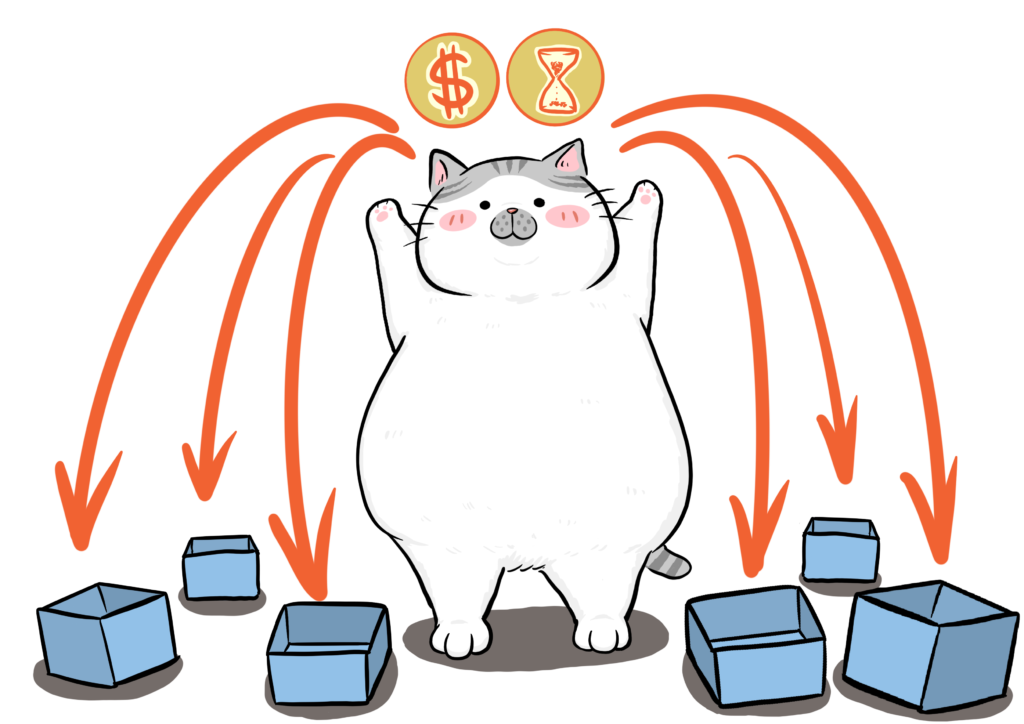
In the previous article, we divided website goals into three broad groups: brand presentation, product or service sales, and organic visibility. Doing all three well within one site is difficult. When you separate the goals and combine solutions that meet individual needs, the investment can be much smaller than you expect.
A website for a small selection of premium products
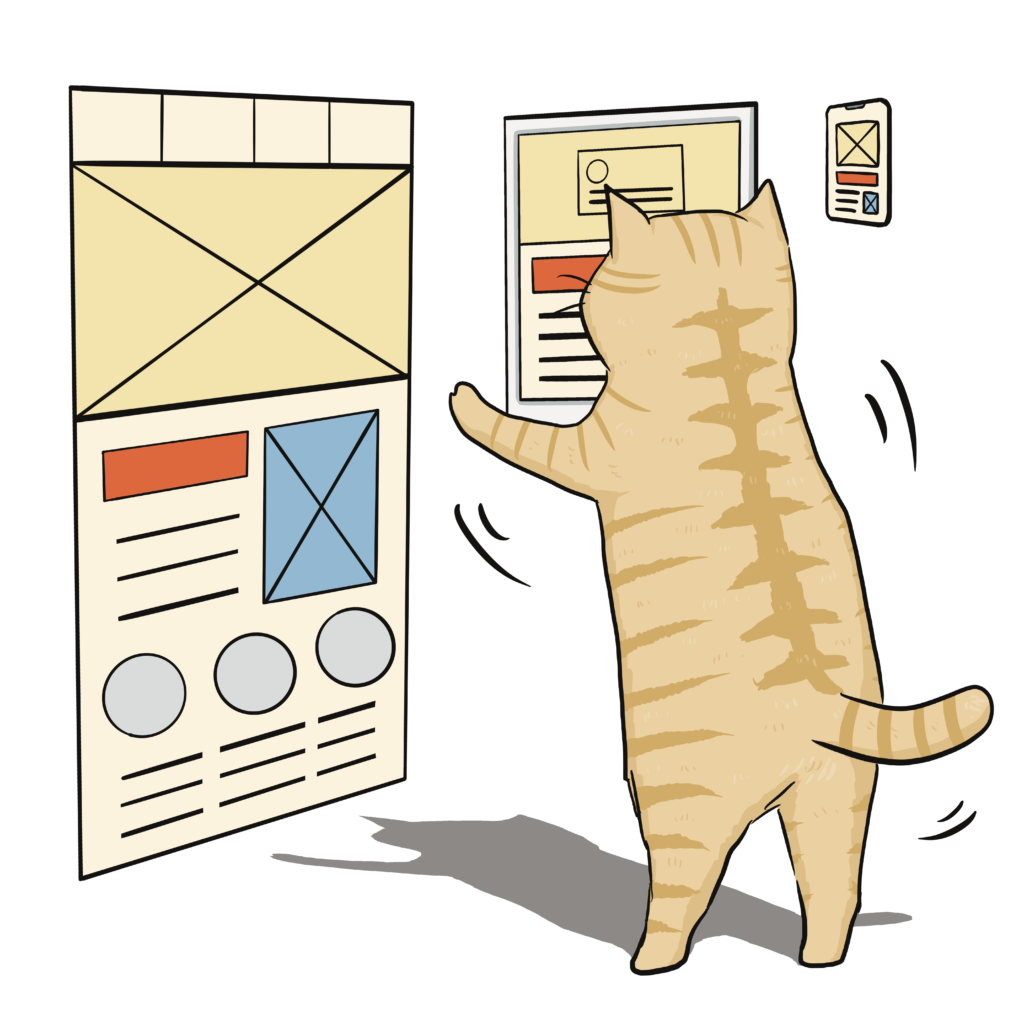
If your brand sells a small range of premium products—roughly 30 types or fewer—I suggest combining brand presentation with product or service sales, while initially leaving organic visibility out of the scope. Build a high-quality site that presents each product in detail. With a small range, each product deserves substantial attention and design. Ideally, each should feel like an individually designed page, rather than a uniform shopping-site template. Explain its value, philosophy, functions and distinctive features. This can give visitors a sense of discovery and trust, creating a strong basis for sales.
You also do not need to overinvest in administration features. With a small premium range, even simple sales-management methods can work with a relatively low risk of errors. Focus your effort on the quality of the website’s presentation.
For traffic, do not try to achieve everything immediately. Start with a modest amount of social or search advertising. Strong pages can help turn those visits into sales, gradually giving you more resources. You can then expand the site, add a separate site for organic search, or invest in redesigning the current site to include articles and a blog. These improvements can happen in stages.
For this combination, an independently built website is a good fit, whether you build it yourself or hire a design company. These days, I would particularly consider building with AI.
An online store with a large product selection
If you run an online store with many product types, custom-designing every product page is unrealistic. The combination to prioritize is product sales and organic visibility. A large catalog is itself a major SEO resource. Improve product descriptions, specifications, structured data and images, and you may achieve good rankings even without a blog or separate articles.
Personally, I think adding a blog offers the greatest benefit. You can collect influencer unboxing articles, write your own product experiences and introductions, explain trends or compare how products work. These are subjects customers care about and material that naturally arises from selecting products and running the business. Giving them more attention may produce additional results.
I would not rush to invest heavily in brand presentation. If sales are strong, the products themselves also help establish your brand. You can build its image through social media, influencers and news coverage rather than immediately spending heavily on the company site. More precisely, investing in better administration, customer support, more articles and a wider catalog can do more for this business model than an expensive brand showcase page.
The simplest approach for this combination is a website-building platform. If PayPal is not supported in your region, I personally advise against WordPress: in my experience, WooCommerce’s payment support in those regions is frustratingly poor. You may be better off using a hosted platform and leaving the administration features to a specialized tool.
As an aside, I do not have a particular website builder to recommend, but I do have one I would avoid: Wix. In my view, its design prioritizes ease of use at the expense of many fundamental website-design principles, and its SEO capabilities are very poor. It is the platform I recommend least.
A brand offering one main service
If you are like me and offer only one or two services, you can skip the online product-sales function because it offers little value for this model. Put more effort into brand presentation or organic traffic instead. If resources allow, doing both is also possible.
If you manage the site yourself, WordPress is a good choice. Its administration tools work well for blogging, and its basic layouts are reasonable. If you want a more distinctive result, an independently built website can be more comfortable to work with.
Join the discussion 0 comments
What are you working through? Share a question or experience and let’s find the next step.
No comments yet. Start the conversation.