

What Ten Years of SEO Taught Me About Its Real Purpose
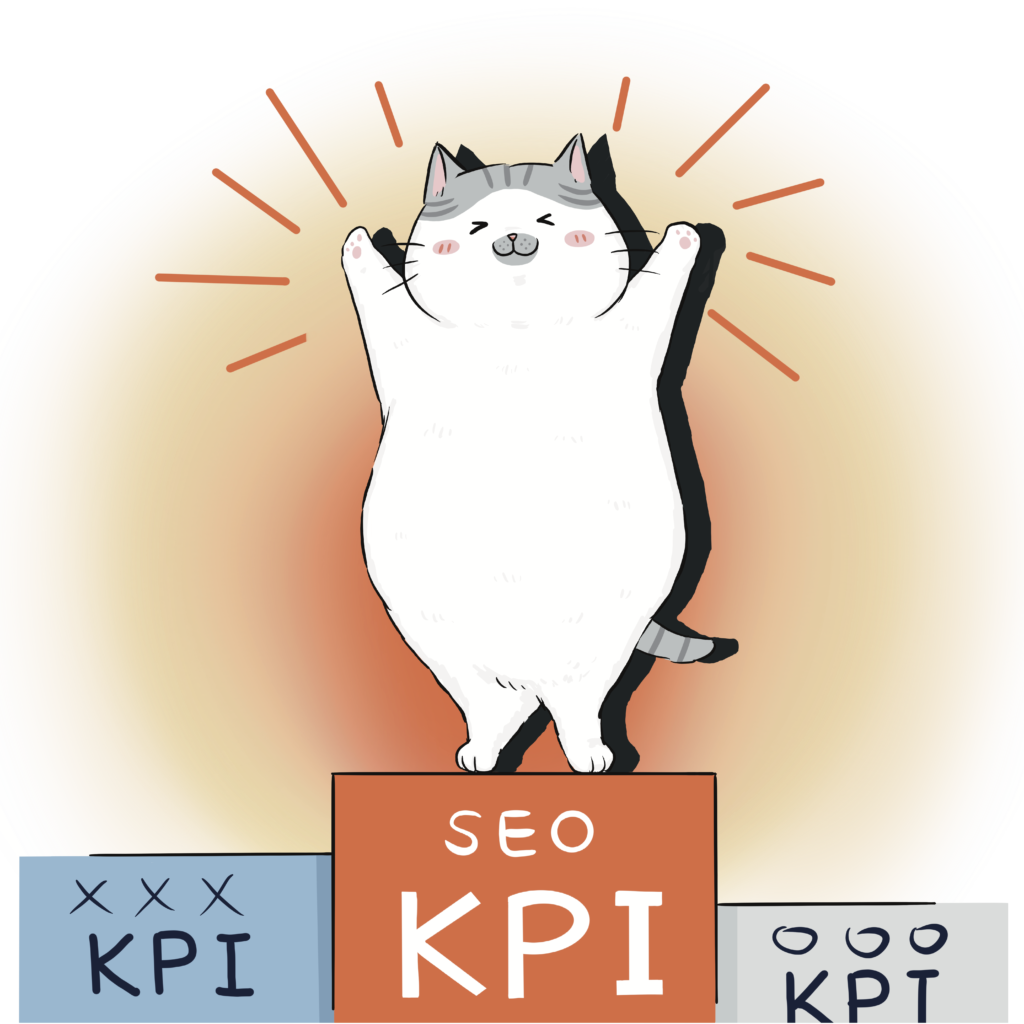




Everyone knows that SEO stands for search engine optimization. Tired of hearing that same well-worn explanation? This article is about what I consider SEO’s real purpose, based on ten years of experience.
SEO is a marketing technique: a set of practices intended to earn better rankings in Google or another search engine. That description is not wrong. But if your understanding stops there, it becomes easy to confuse “our rankings improved” with “our brand is doing better.” After ten years in SEO, that is the distinction I most want people to understand. To explain it, we need to consider what Google cares about and what you want SEO to leave behind for your brand.
Google does not care about you
If you have to work hard at SEO before Google grants you a ranking, does it start to feel a little like begging? Are SEO practitioners begging Google for scraps? I have genuinely met marketers who approach their work that way. Although optimizing for Google is not inherently wrong, constantly trying to please it has a serious weakness: Google can constrain everything you do. An algorithm change today, a featured snippet tomorrow—each change forces you to adjust.
Here is the perspective I want you to keep in mind: Google does not particularly care about your individual website or brand. With roughly 1.2 billion websites in the world, yours disappearing would make little difference to it. Giving Google too much importance can therefore leave you vulnerable. A better focus is the group even Google cannot ignore: users. Start with their needs rather than Google’s preferences. Make user satisfaction your marketing goal instead of SEO metrics alone. Navigation, content planning and usability should help people feel comfortable, rather than simply trying to please the search engine.
A ranking can help someone notice you. It cannot guarantee they will trust you, much less choose you next time. What deserves to accumulate is their memory of the problem you solved after they read your content or used your service. When they come directly back to you the next time they need help, you are building value beyond rankings.
Use SEO to examine your brand, rather than making it the goal
My suggestion is to look beyond traffic from industry keywords and ask: Are more people searching directly for your brand?
Brands that people truly like tend to rely heavily on branded searches, rather than only broad industry queries. People know them by name instead of encountering a single article while researching a topic. That shift is important: it is how a brand begins to stand on its own and reduce its dependence on Google.
Treat SEO as a diagnostic tool for understanding your position in the market, instead of only a way to acquire more traffic. This change in how you think about your brand offers a different perspective and supports deeper marketing strategies.
Ultimately, SEO is one channel for attracting visitors. Once they arrive, the real questions are whether you can solve their problems, earn their trust and give them a reason to choose you.
I am not telling you to abandon SEO. Ten years of doing it have made me more certain that every ranking and every impression should leave something valuable for the brand. If an article ranks but readers do not understand your value, or a website attracts traffic but customers cannot find a reason to choose you, you have something more important to work on than the next keyword.
If I were to explain SEO’s purpose again, drawing on those ten years, I would say: Help people with a need find you, then turn that opportunity into a reason to trust and choose you.
Rankings can be the entrance. But building a brand cannot be only about building an entrance.
Join the discussion 0 comments
What are you working through? Share a question or experience and let’s find the next step.
No comments yet. Start the conversation.